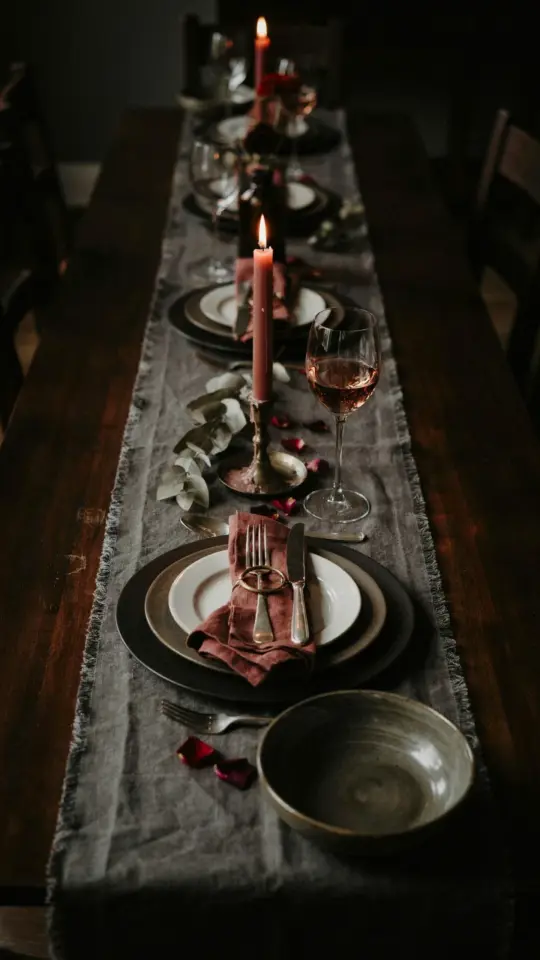
Every year around Mother’s Day, I see the same beautiful but frustrating centerpiece mistake in homes and on social media. The #1 Mother’s Day centerpiece mistake is using a tall, dense arrangement that forces everyone at the table to lean sideways or peer through stems just to make eye contact. I learned this the hard way one spring brunch when my carefully arranged lilacs completely hid my mother’s face from my sister across the table. That experience pushed me to discover a simple garden style fix that keeps conversation flowing and the table looking effortlessly natural.
Why Tall Centerpieces Ruin the Dinner Table Vibe
A towering centerpiece might look stunning in a photo, but when you sit down to eat, it becomes a visual barrier. I noticed this most clearly at a friend’s Mother’s Day lunch last year. She had placed a gorgeous vase of long-stemmed roses and snapdragons right in the center of the table. Within ten minutes, guests were awkwardly lifting their plates to see past the blooms.
The real problem is that these tall arrangements interrupt the natural flow of conversation. People end up talking over the flowers or craning their necks. For a meal that is supposed to be about connection, a tall centerpiece works against you. A better approach keeps the visual focus low and open, letting everyone see each other clearly.
The Low and Loose Garden Style Centerpiece Fix
The fix is surprisingly simple: use a shallow vase and keep the stems short. I call this a “garden style” arrangement because it mimics how flowers grow naturally in a garden bed – low, loose, and a little bit wild. Instead of forcing stems upright, allow them to spill over the edge of the container slightly. This creates a soft, organic shape that doesn’t compete with faces across the table.
For my own Mother’s Day table, I now use a ceramic bowl that is only three inches tall. I fill it with a mix of clippings from my yard: a few sprigs of rosemary, a handful of daffodils, and some trailing ivy. The whole arrangement sits below eye level, so guests can see each other easily while still enjoying the flowers. It feels personal and unpretentious.
How to Choose the Right Shallow Container
Not every shallow bowl works for a centerpiece. Look for something with a wide opening that gives stems room to spread out. A low ceramic dish, a wooden breadboard with a small inset, or even a vintage cake stand with a flat rim can work well. The key is to avoid anything taller than about four inches from the table surface.
I have a collection of shallow glass compotes that I find at thrift stores. They are perfect because they hold water without being bulky. If you don’t have a dedicated vase, a soup bowl or a small baking dish lined with a piece of wet floral foam can do the job. Just keep the overall height of the arrangement under six inches from the tabletop. That leaves plenty of room for plates, glasses, and conversation.
Foraging Stems from Your Yard for a Natural Look
One of the biggest joys of a garden style centerpiece is using what you already have. I walk around my backyard with a pair of clippers and a small bucket about an hour before guests arrive. I look for things that have texture and interest: ferns, oak leaves, early blooming perennials, or even branches of flowering quince. You do not need expensive florist flowers.
- Greenery first: Fill the container halfway with leafy stems like mint, sage, or ivy. This creates a base.
- Add a few focal blooms: Tuck in three to five larger flowers such as tulips, daffodils, or peonies at varying heights.
- Bring in texture: Include a few thin vines or herbs that trail over the edge for a relaxed feel.
- Don’t overthink it: The arrangement should look like you just gathered it, not like you spent hours fussing.
I once used only leftovers from pruning my lavender bush and a handful of pansies from a pot on the porch. Guests complimented the arrangement all afternoon. The trick is to keep it loose and asymmetrical. A cluster of blooms with space between them feels much more natural than a tight ball of flowers.
Setting the Spring Table Around Your Low Centerpiece
Once you have your low garden style centerpiece in place, the rest of the table setting can stay simple. I like to use neutral linens and plain white plates so the flowers remain the focal point. For a spring touch, I scatter a few individual sprigs of rosemary or thyme on each napkin. That small detail ties the table together without adding clutter.
Another idea is to place small taper candles in short holders on either side of the centerpiece. Just keep the candles low too. If you want a more casual feel, use a single long beeswax candle running down the center of the table, but set it off to the side so it does not compete with the flowers. The whole goal is to create a table that invites people to lean in and talk, not one that forces them to sit back.
Practical Floral Arrangement Tips for Beginners
If you are new to arranging flowers at home, a garden style centerpiece is a forgiving place to start. You do not need floral tape or foam. Just cut each stem at an angle and place it directly into the water. Because the arrangement is low, you can simply tuck stems in one at a time and adjust them easily without worrying about height.
One mistake I see often is overloading the container. Leave about a third of the surface of the water visible. That empty space makes the arrangement look airy and lets the tablecloth or wood grain show through. Also, change the water every morning if you are setting the table the day before. Fresh water keeps stems crisp and prevents that slightly sad droop by the time guests arrive.
For a Mother’s Day brunch, I always set the centerpiece the night before and do a quick refresh in the morning. I pull out any wilted stems and add a couple of fresh ones from the garden if needed. That five minute check makes the arrangement look just-picked for the whole meal.
Matching the Centerpiece to Your Brunch or Dinner Menu
Your centerpiece should complement the food you are serving, not compete with it. For a light spring brunch with quiche and fresh fruit, choose bright, delicate flowers like freesia, mini daffodils, or apple blossoms. For a more hearty dinner with roasted meats and vegetables, go with deeper tones like burgundy tulips, dark purple sage, and bronze fennel fronds.
I once made the mistake of using highly fragrant flowers like stock and hyacinth for a lunch featuring fish. The scent was so strong it masked the aroma of the food. Now I stick to mild fragrant stems such as chamomile, lavender, or rose geranium. A gentle scent enhances the meal without overwhelming it. The goal is to let the table feel natural and inviting, not like a perfume counter.
Wrapping Up with a Soft Call to Action
The next time you set a Mother’s Day table, resist the urge to build a tall showpiece. Instead, reach for a shallow bowl, a pair of garden clippers, and whatever is blooming in your yard. Keep the arrangement low and loose, and watch how much easier the conversation flows. It is a small change that makes a big difference in how people connect during the meal.
If you try this garden style approach, I would love to hear how it goes. Spring is the perfect season to experiment with simple, natural table settings. Let the flowers be a backdrop for the people you care about, not a distraction.
#MothersDayCenterpiece #TableSettingIdeas #GardenStyleCenterpiece #SpringTableDecor #FloralArrangementTips
This post was researched and drafted with AI assistance, then personally reviewed and edited by Fern before publishing.
Leave a Comment